
International Associations Should Double Down on Global Expansion to Build Resilience
U.S. associations face financial and policy headwinds, making international expansion a critical path to resilience. Strengthening global footholds with localized programs, in-region staff, and visible commitment builds trust, revenue, and long-term stability. Associations that double down now will safeguard mission and relevance, while hesitation risks losing ground permanently.
This article was also published in ASAE’s Associations Now! in June 2025
The recent Insight Update published by ASAE highlights the growing pressures faced by U.S.-based professional societies, particularly in healthcare and education. Reductions in federal grants, changes in tax policy and tightening DEI policies are threatening the financial health and mission execution of many associations. In this constrained environment, international engagement becomes not only a growth strategy—it is a path to resilience. These trends are unlikely to reverse in the short term. Doubling down internationally is one of the most viable options that offers both mission continuity and financial resilience.
The Case for Urgency: Don’t Let a Strong Start Stall Out
If you already have an international presence—whether through members, events, training, or partnerships—you’ve already cleared the most difficult hurdle. You’ve established trust and demand. But international stakeholders, especially in mature markets like Europe are increasingly discerning. If they sense that your global engagement is deprioritized—or worse, too distracted by changes in the U.S. to be responsive to their needs—they may turn to other organizations that are better positioned to serve them locally. Europe has long been a stronghold for U.S. associations looking to grow their global presence. But international members will not remain loyal simply out of legacy.
Your association CAN support them locally and regionally with relevant programming, responsive leadership, and a clear commitment. The models used by ASIS International and the Society of Women Engineers (SWE) show what’s possible when U.S. associations build sustainable international operations:
- Local chapters or affiliates with autonomy and support
- Professional development offerings tailored to regional needs
- Staff or trusted partners in-region who can execute, advocate, and respond in real time
This is not a hypothetical risk. Associations that fail to maintain strong international ties during these turbulent times will find it difficult—if not impossible—to regain that ground later.
The key message: keep your Europeans (and others) close, or you risk losing them.
Go From Presence to Performance -Do More—Sooner, Faster, Better
Now is the time to lean in. If you have a foothold in a region, invest in it. If you have a chapter that’s growing organically, support it with resources and visibility. Use your global connections to create new revenue, deliver on mission, and reduce dependency on volatile domestic sources.
Concrete steps to take now include:
- Doubling down on successful certification or education programs with localized versions
- Hosting or co-hosting regional events with international chapters or partner organizations
- Hiring in-region staff or engaging local consultants or AMCs to manage operations and deliver services
- Providing platforms for international member voices within your core governance and strategic conversations
This is about speed and scale. International opportunities don’t wait. Associations that act decisively can build lasting relevance and resilience. Those that hesitate may find that their global partners have moved on.
Local Presence Matters More Than Ever
Digital tools have enabled remote engagement, but physical presence still matters—especially for trust, legitimacy, and long-term partnerships. Associations that succeed globally have people on the ground: staff, consultants, and deeply engaged and empowered volunteers who understand both the local context and the mothership’s mission.
These individuals act as bridges—navigating cultural nuance, building regional relationships, and spotting opportunities or challenges before they hit the radar back at headquarters. Their ability to respond quickly to changes in policy, funding, or member needs is a vital advantage in today’s uncertain environment.
The Strategic Imperative
Associations that already have international roots are in a privileged position. They do not need to start from scratch; they simply need to act. The infrastructure is in place. The partners are there. The demand is real. What’s needed is leadership willing to move.
Key takeaways
1
Global expansion is a resilience strategy
2
International stakeholders, especially in Europe, expect sustained commitment and may turn to other organizations if U.S. groups deprioritize them.
3
Associations should actively invest with localized certifications, regional events, in-region staff, and governance roles for global members.
4
Local presence builds trust and legitimacy.
5
This cannot wait. Those who double down now will build resilience, while those who hesitate risk losing global relevance
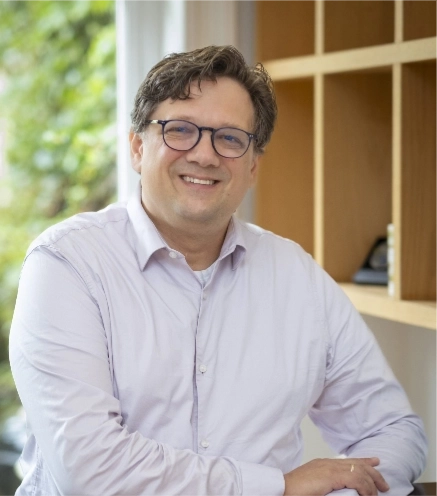

Partner, Stakeholder Management
With over 20 years of experience in association management, events, and public affairs, Michiel Gen has built a career around connecting people, ideas, and purpose. Working closely with professional and trade associations, corporate leaders, and entrepreneurs, he ensures that content is not only relevant but also strategically aligned with business goals—facilitating meaningful connections among senior executives.
Michiel approaches his work much like he does his passion for cooking: it’s all about understanding the occasion, selecting the right ingredients, and bringing the ideal guests to the table. The result? Experiences that are impactful, purposeful, and memorable.
A regular contributor to industry publications and a frequent speaker at international conferences, Michiel shares insights on topics ranging from volunteer engagement to event design and the evolving role of associations in today’s world.
He currently serves as Immediate Past Chair of ASAE’s International Associations Advisory Council, where he continues to champion collaboration and innovation in international associations.